Category: Personal Loans

  • The Ultimate Guide To Personal Loans

    The Ultimate Guide To Personal Loans

    Personal loans are a popular tool to help you get quick access to cash, pay off debt, and consolidate credit cards.

    Most personal loans are unsecured, meaning you don’t need to pledge collateral like your home or car. Loan amounts range from $1,000 to $100,000 and are repaid in fixed amounts typically in two to five years.

    Your interest rate will depend on your credit score, income and other factors. There are many uses for personal loans, ranging from debt consolidation and home improvements to medical bills and weddings.

    Choosing the right personal loan is easier than you think if you know what look for.

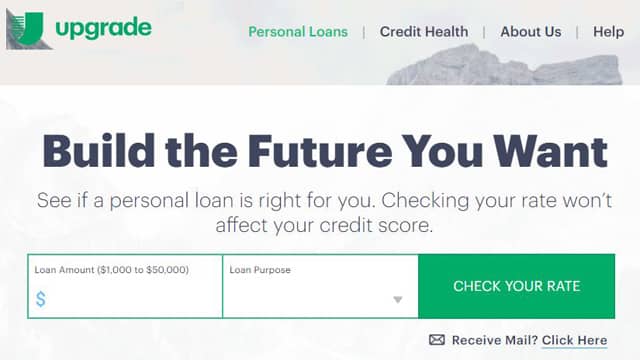
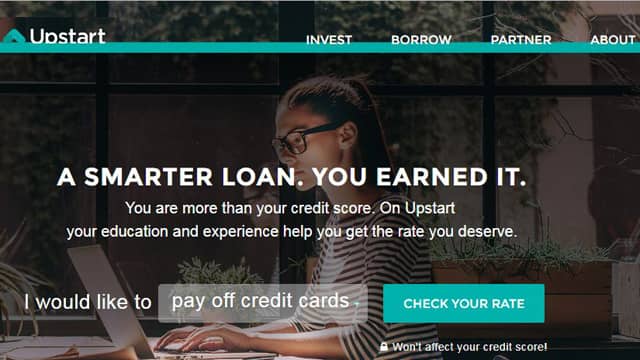
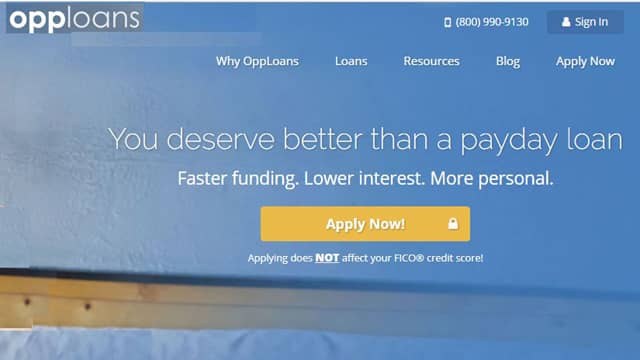
    [personal_loans_table]

    In this ultimate guide to personal loans, you will learn to:

    Personal Loans: Why To Get A Personal Loan

    It’s important to figure out why to get a personal loan. Some popular examples include:

    • Pay off credit card debt
    • Pay for a home renovation
    • Pay medical bills
    • Improve your credit
    • Pay for an engagement ring
    • Pay for a wedding
    • Pay for a honeymoon
    • Pay for a vacation
    • Start a business

    Most lenders will give you a personal loan that can be used for any reason. It’s helpful to know upfront what you plan to use the personal loan for, even if you change your mind later. This will keep you focused on your financial goal.

    Determine How Much Money You Need to Borrow

    The best way to determine how much money you need to borrow is to research the full cost of the expense. Most lenders have a minimum loan balance and maximum loan balance. Typically, you can borrow a personal loan from $1,000 to $100,000, so you should budget accordingly to determine how much money you need.

    You should also know that many personal loans have origination fees. Origination fees are fees that are paid to the lender and are equal to a percentage of your personal loan amount. Most lenders charge an origination fee of 1% to 5% of your initial loan balance. For example, if you borrow a $20,000 personal loan, and the origination fee is 5%, the origination fee would be 5% of $20,000, or $1,000. The origination fee is added to the loan balance, so the good news is you don’t have to pay an origination fees upfront.

    You can check with your lender to determine if they charge any origination fees.

    Make Sure You Can Afford the Monthly Payments

    This may sound simple, but it’s important that you can afford the monthly payments. Here’s a great way to make sure you can afford the monthly payments. Your monthly payment is comprised of three major components:

    1. Your loan balance (the amount of your personal loan)
    2. Your repayment term (how long you will have to repay your personal loan)
    3. Your interest rate (how much it costs to borrow your personal loan)

    You can compare different terms to find the personal loan terms that match your financial needs and goals. For example, if you want to pay off your personal loan faster, you can choose a shorter repayment term. This will result in higher monthly payments, but it will save you money overall because you will pay less interest.

    If you need more time to pay off a personal loan, you can choose a longer repayment term. This will lower your monthly payment, but it will cost more money in higher interest.

    This personal loan calculator shows you your monthly payment, total interest and total payment.

    If your goal is to pay off credit cards faster, this credit card payoff calculator shows you how much money you can save.

    Check Your Credit Score

    It is important to understand your credit score when applying for a personal loan. Lenders will evaluate your credit score and credit history to ensure that you’re financially responsible.

    Here is a helpful chart to better understand your credit score:

    Here’s a general rule of thumb: the higher your credit score, the lower your interest rate. Lenders prefer to lend to borrowers with a good credit score who can repay their personal loans on-time and in full. Most lenders prefer that you have at least a 650 credit score.

    If you have a credit score less than 600, you can still get approved for a personal loan. If you have bad credit, you can apply with a qualified co-signer to help you get approved and even get a lower interest rate.

    Compare the Best Personal Loan Companies

    You can compare personal loan companies to find the right lender for you. You can evaluate the best personal loan companies to find the lowest interest rate and best payment terms. There are all types of personal loan lenders, including online lenders, banks and credit unions.

    Each lender has its own rates, fees, application and underwriting process. The good news is that you can apply to multiple lenders to improve your chances to get approved for a personal loan.

    You can compare the latest personal loan rates and find the best lender for you.

    Apply for a Personal Loan

    Now it’s time to apply for a personal loan. You can apply for a personal loan online, and the application is easy to complete. Before you apply, most lenders allow you to check your interest rate for free with no impact to your credit score. This is called a soft credit check.

    You can compare interest rates with different lenders to find the best personal loan terms. By applying to multiple lenders, you can increase your chances of being approved and finding the best rate.

    When you apply, each lender will require at least the following documentation:

    • Proof of identity (a driver’s license or passport, for example)
    • Social Security Number
    • Proof of income (a recent paystub or an offer of employment)

    Some lenders may require bank statements or bank account information to deposit funds into your bank accounts. Each lender has its own underwriting requirements so documentation may vary by lender.

    When you apply, lenders will complete hard credit pull so they can evaluate your credit score and assess your history of financial responsibility. Typically, your application can be processed in as little as one day to as many as 14 days, depending on the lender.

    Sign Your Personal Loan Agreement

    Congratulations! If you’ve been approved for a personal loan, it’s time to sign your personal loan agreement.

    A loan agreement contains the details of your personal loan, which may include the loan amount, interest rate, repayment term, fees and other important terms and conditions. Make sure to review your loan agreement carefully so that you fully understand the personal loan you are borrowing.

    Once you sign your personal loan agreement, it’s time for your lender to disburse your personal loan. Funds are typically disbursed through direct deposit into your bank account.

    The processing time can vary by bank, but typically it can take about one to two days for the direct deposit to process once the funds have been disbursed.When you receive the funds, you can start using your personal loan.

    [related_posts post_1=’661′ post_2=’758′ post_3=’430′]

  • What are Credit Building Tools?

    What are Credit Building Tools?

    Credit building tools are the best how to repair your credit. If you have bad credit and want to know the best ways to build credit, then credit building tools can help improve your credit profile. If you have bad credit, it is challenging to get access to credit, whether it is certain credit cards, bank loan or a mortgage.

    To know how to fix your credit, this guide will help you learn the best ways to build credit. Credit building tools include secured credit cards, credit card consolidation loans and other strategies. Below you can learn more how credit repair tools can help you fix your credit and learn the best ways to build credit.

    [personal_loans_table]

    What does it mean to have bad credit?

    Before you learn how to repair your credit, it is important to understand what it means to have credit and how your credit is evaluated. Your credit score is the central component of evaluating your credit risk to lenders and financial institutions. A strong credit score can help you get access to credit at low interest rates.

    The three major credit bureaus – Experian, Equifax and TransUnion – will evaluate your financial responsibility and borrower risk, which can determine whether you get approved for credit cards, student loan refinance, auto loans, personal loans and mortgages.

    Credit bureaus will calculate a three-digit credit score for you based on your credit worthiness. The most common credit score is called the FICO credit score, which ranges from 300-850. The higher your credit score, the better chance you can get approved for a credit card, student loan refinance, mortgage or personal loan.

    This table can help you see if your credit score is considered good or bad, and whether you need to learn how to fix your credit:

    When it comes to how to fix your credit, there is no magic cut-off for bad credit. If you have a credit score below 600, it is important to take action for how to fix your credit. There are also other factors that can hurt your ability to get access to credit. For example, lenders also evaluate your debt-to-income ratio, which is the ratio of your total debt payments per month as a percentage of your monthly income. If your debt-to-income ratio is higher than 50%, or if you are unemployed, it will be difficult to get access to credit.

    How To Fix My Credit

    If you’re wondering what are the best ways how to fix my credit and the best ways to build credit, here is a helpful list:

    1. Don’t pay interest. One of the best ways to build credit is to pay your bills on-time 100% of the time. Missed payments are one of the top ways to have bad credit.

    2. Don’t miss payments. Another smart strategy how to fix your credit is to not skip any payments, since missed payments can hurt your credit score.

    3. Increase your account age. Want to know how to repair your credit? Keep your credit accounts open and active for as long as possible, since average account age is one important component of your credit score.

    4. Avoid opening too many accounts. One of the most ineffective ways to build credit is to open many credit accounts at once. Why? Too many new accounts can lower your average account age.

    5. Check your credit reports. If you want to know how to fix your credit, check your credit reports at least annually to ensure there are no errors or discrepancies. If you find an error, contact each of the three major credit bureaus to correct the error.

    Best way show to repair your credit

    If you want to know how to repair your credit, there are several smart strategies:

    • Credit cards
    • Secured credit cards
    • Credit card consolidation loans
    • Student loans
    • Authorized signature
    • Rent

    How to fix your credit with credit cards

    The best way to fix your credit can be with a credit card. Credit cards are a form of revolving credit, which means you borrow funds, repay those funds throughout the month and borrow again.

    1. On-time payments

    First, one of the best ways to build credit is to make on-time payments. If you want to know how to build credit with credit cards, then your on-time payments will be reported to the three major credit bureaus. On-time payments signal that you are a responsible borrower who repays debt obligations, which is viewed positively by credit bureaus.

    2. Open and active accounts

    Second, if you keep these credit accounts open and active, you can increase the average age of your credit accounts, which is an important way to how to improve your credit score.

    3. Keep credit utilization low

    Third, one of the ways to build credit faster is to keep credit card utilization low, which means you don’t have to spend your full credit limit each month.

    How to establish credit with secured credit cards

    Another way how to repair your credit is with secured credit cards. Secured credit cards are credit cards that require a security deposit, which will equal your credit limit. A typical security deposit for secured credit cards can be $200 – $1,000. When you want to know how to fix your credit score, you make charge your credit cards and make repayments each month. Repaying your balance on-time and in-full is one of the smartest ways to build credit. With on-time payments, you can build a track record and payment history with your credit card issuer. Your security deposit also gives comfort to the credit card company to show you are a less risky customer.

    With your secured credit card, keep you credit utilization below 10% every month. You should pay the full balance and not miss any payments if you want to know how to fix your credit. If you miss a payment or have a late payment, your credit card company will deduct the payment from your security deposit. However, if you pay on time and do not miss payments, you can demonstrate your financial discipline with secured credit cards. Over time, you can increase your credit line and even qualify for credit cards with rewards programs and cash back programs.

    How to repair your credit with credit card consolidation loans

    Another way how to repair your credit is through a personal loan. A personal loan is a type of installment loan that is one of the waysto build credit. With a personal loan, you receive a lump-sum payment of the amount you borrow, and then you pay back the personal loan in monthly installment payments. The typical repayment period for the best personal loans are one to five years, although some personal loan companies may allow for shorter or longer time periods. You can receive funding in as soon as 24 hours.

    Personal loans are a popular strategy for credit card consolidation. If you have existing credit card debt, you likely need to know ways to build credit. Credit card consolidation can help you raise your credit score fast if you use credit card consolidation as an engine to pay off credit card debt faster. When you consolidate credit card debt, you combine all your existing credit card debt into one loan. This personal loan has a lower interest rate than your credit card debt, which saves you money each month. Your payments are simpler because you can make one monthly payment instead of multiple monthly payments. The goal is to pay off your credit card debt more quickly with personal loan interest rates that are lower than credit card interest rates.

    For example, let’s assume that you have $20,000 of credit card debt at 15% interest. Based on your credit score and other factors, let’s assume that you could obtain personal loan interest rates from several personal loan companies for 7%. This means that credit card consolidation could help you cut your interest payments by more than 50%.

    How to fix your credit with student loans

    Another way how to fix your credit is through student loans. If you have student loans, make sure to pay your full student loan payments on-time each month. Your student loans are reported to the major credit bureaus, so making on-time payments is one of the best ways to build credit.

    How to repair your credit as an authorized signer

    Another way how to repair your credit is by becoming an authorized signer on someone else’s credit card. For example, you could become a signer on your parents’ rewards credit card. You can both benefit when you use their rewards credit card because they can earn rewards, and you can build your credit score. When you are an authorized user, your parents are responsible if you don’t repay your debt obligations so make sure to make on-time payment in full each month.

    How to repair your credit with rent

    If you want to know how to fix your credit, you can use your rent payments to demonstrate your ability to make regular, on-time payments. Ask your landlord to report your on-time payment history to the major credit bureaus, which is one of the best ways to build credit. You can also ask your utility company to report your payment history as well, which is another way how to raise your credit score.

    How to build credit when you don’t have a credit history

    You may not have a credit history, but you still want to know how to establish credit and how to build credit fast. Here are some strategies how to build your credit score:

    • Get a co-signer. If you want to know to build your credit, you need access to credit. Having a qualified co-signer can help you get approved for student loan refinance, credit cards and personal loans, for example.
    • Get a student credit card. Student cards are credit cards for college students to help them build credit and gain access to short-term financing. Student credit cards are best for college students with limited or no credit history as well as limited income. Most importantly, the best credit cards for students are a smart way how to establish credit and how to build credit fast.
    • Share your payment history. Ask your landlord and utility company to share your on-time payment history with the three major credit bureaus (Experian, Equifax and TransUnion), which can show that you are a responsible borrower.

    Frequently asked questions on how to repair your credit

    What are the major types of credit?

    Consumer credit typically appears in four different forms:

    Revolving Credit. Revolving credit is a form of open-ended credit, which means you borrow and repay up to a certain credit limit. An example of revolving credit is a credit card. You can carry a balance and repay revolving credit when you choose to, but will incur interest charges if you pay past your balance due date.

    Installment Credit. Installment credit is your typical monthly payment loan such as a personal loan, student loan, auto loan or mortgage. With installment credit, you borrow an amount of debt, and repay the loan with interest each month in installments.

    Charge Cards. Charge cards are similar to credit cards, but you have to repay the balance in full each month. Therefore, charge cards are different than revolving credit, which allows you to carry a balance and pay interest.

    Service Credit. Service credit occurs when someone bills you for goods and services, and you pay each month for the credit extended to you. Examples include your monthly rent, cell phone bill or utilities bill.

    Why is it important to fix my credit?

    Your credit score, in many respects, is as gateway to your financial future. If you want a credit card, personal loan, auto loan, student loan refinance or many other financial products, you need to fix your credit and understand the best ways to build credit.

    Today, even landlords and employers will check your credit to ensure that you are financially responsible and a trustworthy individual who meets their obligations. It is advantageous for you to have access to credit even if you don’t plan to need it immediately.

    How long does it take to repair your credit?

    It’s never to too early to learn how to repair your credit. One of the best ways to build credit is to develop a track record of financial responsibility. By borrowing credit and making monthly payments in full and on time, you can signal to lenders that you are a responsible borrower.

    If you want to know how to fix your credit, you can typically build your credit in 1-2 years if you want to have an average or good credit score.

    To build an excellent credit score, it could take many years (e.g., 7+ years) to increase your credit score.

    If you want to know how to repair your credit, it also important to understand how long bad credit marks stay on your credit report? The following time periods are estimates:

    • Late payments: 7 years
    • Missed payments: 7 years
    • Collections: 7 years
    • Charge-offs: 7 years
    • Bankruptcy: 7-10 years
    • Foreclosures: 7 years
    • Judgments: 7 years
    • Repossessions: 7 years
    • Tax liens: 7 years, although potentially for an indefinite time period
    • Public record: 7 years

    Follow these tips if you want to know the best ways to build credit:

    • The longer your accounts are open and active, the longer your average account age, which help boost your credit score.
    • Focus on reducing your credit utilization, which you can do by spending less or getting more credit.
    • If you have credit card debt, consolidate credit cards into a personal loan to cut your interest payments.
    • Always make monthly payment in full and on-time, and you will develop a longer, positive payment history.
    • Never miss a payment
    • Start building a credit history as early as possible, even if you are in school. Student cards areone of the best ways to build credit.

    [related_posts post_1=’303′ post_2=’661′ post_3=’678′]

  • Personal Loan vs Credit Card: Which One Should I Get?

    Personal Loan vs Credit Card: Which One Should I Get?

    One popular question that is asked often is “Credit card vs Personal Loan: Which one should I get?” The decision to choose a credit card vs. a personal loan should be easy, and here’s how to simplify your decision.

    Credit Card vs Personal Loan: Overview

    A credit card and personal loan offer different types of financing. Both a credit card and a personal loan are great tools to help meet your financing needs. However, you should be sure to use each for the right type of financing depending on your financial needs.

    Credit cards are best for short-term expenses that you can repay in full each month. A personal loan is best or longer-term financing such as to finance a major purchase or to consolidate credit card debt.

    Therefore, the decision between credit card vs personal loan is typically based on three factors:

    • Your credit score and credit profile
    • How much you would like to borrow
    • When you plan to pay back your loan
    • The interest rate

    [personal_loans_table]

    How does a credit card work?

    If you are using a credit card to earn cash back or to earn travel rewards, for example, credit cards can be a great tool to get rewards. Similarly, you can use 0% APR credit cards to transfer credit card balances. If you are using a credit card for financing, then credit cards can be expensive because they often carry a double-digit interest rate.When you have a credit card, you will receive a credit card statement each month. You are expected to pay the minimum payment, which is equal to about 1-3% of the payment due. When you spend money on a credit card, you have to pay back the full total each month that you spend. If you don’t, then you will owe interest. Interest accrues on your credit card balance based on the average daily balance during the month (not based on the balance at the end of the month).

    Credit cards are considered unsecured debt and revolving debt. When debt is unsecured, it means that debt is not backed by collateral. In contrast, a mortgage is a secured debt because it is backed by your home, or the underlying real estate. Revolving debt means that your credit card has a defined credit limit, and you can borrow and spend each month. The available credit line each month is based on how much you spend and repay.

    Since credit cards have high interest rates, credit cards are best for short-term financing. You should pay off credit card debt each month to avoid interest charges and penalties.Credit cards are best to earn rewards such as cash backtravel rewards and hotel rewards. Credit cards are also popular for 0 APR so you can transfer credit card balances without owing any interest.

    How do personal loans work?

    personal loan is an unsecured loan typically from $1,000 – $100,000 with fixed or variable interest rates that can be used to make a large purchase or to consolidate debt. A personal loan can be used for just about any reason, including credit card consolidation, medical expenses, home improvement, major life expenses, engagement ring, wedding, and honeymoon, among others.

    When you borrow a personal loan, here’s how it works:

    • You receive a personal loan upfront in a lump-sum
    • You make fixed monthly payment for an agreed upon loan term
    • Personal loans typically have a loan term of 3-5 years
    • Personal loans usually have fixed interest rates
    • Personal loans don’t have a prepayment penalty, which means you can pay off anytime with no fee.

    The term “unsecured” means that there is no underlying collateral attached to the loan. For example, if you borrow a mortgage for your house, your mortgage is a “secured” loan in which your home is the collateral. If you default on your mortgage, your lender will then own your home.

    Since a personal loan is unsecured, there is no underlying collateral attached to a personal loan. As a result, the interest rate on an unsecured loan such as a personal loan is higher than the interest rate on a secured loan such as a mortgage because the lender is assuming more risk.

    However, interest rates on personal loans are often much lower than the interest rates on credit cards, which typically range from 10-20% (or higher). Depending on your credit profile, you may be able to qualify for a low personal loan interest rate and save money compared to a credit card. The interest rate on your personal loan will depend on several factors, which may include your credit score, credit history, and debt-to-income ratio.

    How are personal loans different than credit cards?

    When you compare a credit card vs personal loan, it’s helpful to understand the differences.

    A credit card is a line of credit, which you can use and borrow anytime up to your credit limit. You then pay back the entire amount you borrowed each month, or you will be charged interest. So, a credit card is considered revolving debt because you can keep borrowing and repaying. If you don’t pay off your credit card, you will owe interest and carry a credit card balance. If you reach your credit limit, you will no longer be able to use your credit card.

    A personal loan is repaid in fixed installments, so you pay the same amount each month. You also receive the entire personal loan amount upfront. The advantage of a personal loan is that you know how much you borrowed and how much you owe each month. In contrast, with a credit card, you can keep borrowing up to your credit limit each month so it can be harder to manage debt for some borrowers.

    Both personal loans and credit card debt are unsecured. Since they are unsecured, the interest rate can be higher for some borrowers. However, if you have a strong credit profile, you can potentially receive a lower interest rate.

    When is a credit card better than a personal loan?

    A credit card is best to make small purchases or short-term purchases– and for earning rewards and cash back – that you can repay each month.

    If you have good credit, you can make purchases on a credit card and then transfer the balance to a 0 APR card. This is a smart move because you won’t interest on the purchases for up to 12-24 months. So long as you repay the credit card balance in full before the introductory period expires, you won’t owe any credit card interest.

    A credit card is also better than a personal loan if you plan to use the credit card to earn rewards, not necessarily as a financing tool. In this case, there is no need to borrow a personal loan and instead, you can start earning credit card rewards.

    When is a personal loan better than a credit card?

    Personal loans are best for larger purchases such as medical expenses, home renovations, major life expenses, or major life events such as an engagement ring, wedding or honeymoon that will take you more than a year to repay. A personal loan is also an excellent tool for credit card consolidation.

    Personal loans do have an origination fee typically of 1-5% (whereas credit cards do not). An origination fee is a one-time fee that is paid in cash or from your personal loan proceeds. If you are paying off credit card debt, a personal loan can be a great tool because the interest rate on a personal loan often is lower than the interest rate on a credit card. Therefore, you can save money by borrowing a personal loan to pay off credit card debt.

    You can also increase your credit score when you borrow a personal loan to consolidate credit card debt because you will switch from revolving debt (a credit card) to installment debt (personal loan). This will help improve your credit utilization ratio, which is a factor used to compute your credit score. Since a personal loan does use credit utilization like a revolving debt credit card does, your credit score can improve.

    Should I consolidate credit card debt with a personal loan or credit card?

    You can use a personal loan or credit card to consolidate credit card debt. However, they take two different approaches. If you think you will pay off your credit debt within 12-24 months, you could get a 0% APR credit card and transfer your balance to this credit card. So long as your repay your balance in full before the end of the introductory period, you will not owe any interest.

    Therefore, a 0 APR card is a smart way to save money and defer on interest. If you think you will need more time to pay off credit card debt, you are better off getting a personal loan to consolidate credit card debt. This credit card consolidation calculator shows you how much money you can save through credit card consolidation with a personal loan. When you consolidate credit card debt, make sure that the interest rate on your personal loan or credit card consolidation loan is lower than the interest rate on your credit card.

    You can also have both a personal loan and a credit card. You don’t have to choose between a credit card vs personal loan. Just remember that personal loans and credit cards are used for different purposes. You can take control of your financial life and save money when you use a credit card vs personal loan wisely.

    [related_posts post_1=’574′ post_2=’661′ post_3=’430′]

  • Debt Consolidation: What You Need to Know

    Debt Consolidation: What You Need to Know

    Debt consolidation can help you consolidate credit card debt, organize your debt and lower your interest rate.

    [personal_loans_table]

    Here’s everything you need to know about debt consolidation can how it can help you save money starting now.

    What is debt consolidation?

    A debt consolidation loan is an unsecured personal loan that allows you to combine your existing debt and replace it with new debt at a lower interest rate.

    Debt consolidation is an effective strategy to pay off credit card debt, personal loans or other debt. With debt consolidation, you can organize multiple types of debt with different payoff amounts and different payoff dates into a single loan.

    Debt consolidation has many key benefits. Let’s explore a few.

    Debt Consolidation: Key Benefits

    Here are the key benefits of debt consolidation:

    1. Lower your interest rate
    2. Combine all your debt into a single loan
    3. Simplify your payments
    4. Make a single payment
    5. Helps you get organized
    6. Change payment amount to make it more affordable for you
    7. Save money
    8. Eliminate high credit card interest rates on your credit card debt

    When you consolidate credit card debt, you eliminate your existing debt and instead replace it with a new loan, new interest rate, new payment schedule and new payoff debt.

    Here are the most effective ways to use debt consolidation to your advantage. Let’s take a look how.

    3 Ways To Use Debt Consolidation Effectively

    Here are three of the most popular strategies to use debt consolidation to help you improve your finances.

    1. Get a lower interest rate

    A lower interest rate is one of the top reasons for debt consolidation.

    With debt consolidation, you can receive a lower interest rate with a low cost, fixed rate personal loan. When you have a lower interest rate, you can save significant money in interest costs, and pay off your debt faster.

    Let’s look at an example with this credit card consolidation calculator.

    Let’s assume that you have $20,000 of credit card debt at an 18% interest rate. Let’s assume that you can consolidate credit card debt with a personal loan with an interest rate of 8%.

    With this credit card consolidation calculator, you can see that you will save $94 per month, and your total savings on your credit card debt would be $6,168.

    As you can see, debt consolidation can save your significantly when you combine your credit card debt into a single personal loan.

    So, how do you get a lower interest rate?If you have raised your credit score since you borrowed your original debt, that can help you get a lower interest rate. Whether you have good or strong credit, you may qualify for a lower interest rate than the high-interest rates that come with credit cards.

    You can check your rates for free in two minutes and get a personalized quote for a new rate from these trusted lenders.

    2. Change your monthly payment

    One benefit of debt consolidation is the ability to change your monthly payment.

    Your monthly payment is based on your loan term (how long you have to payoff your debt), the amount of debt and the interest rate.

    When you consolidate credit card debt, for example, you can receive a lower interest rate and choose your loan term. Those are the two levers can you can pull to save money.

    You can decrease your monthly payment by increasing your loan term and thereby extending your payoff date.

    You can increase your monthly payment by decreasing your loan term and thereby shortening your payoff date.

    Whichever choice you make, you should make sure it is best for your specific financial situation.

    3. Change your loan payoff date

    Here’s a secret: the amount you pay each month for your current debt is based on your payoff date, which is known as your loan term. The good news is that with debt consolidation, you can change your payoff date and change your loan term.

    Here’s how.

    The longer your loan term, the less you will pay in interest each month. However, it will take you longer to pay off your loan. The shorter your loan term, the more interest you will pay each month. However, you can pay off your loan in a relatively shorter time period.

    So, you need to decide what type of loan term is best for you and works best for your financial situation. If you want to pay off your loan as quickly as possible – whether it’s a student loan, credit card debt or personal loan – choose a relatively shorter loan term. Yes, your monthly payments may be higher, but you will save money in the long-term.

    If you need more time to pay off your loan, remember that even though your monthly payments may be lower, you will end up paying more over the life of your loan. However, it may still be cheaper to do that rather than keep your existing debt at a higher interest rate.

    You can use this helpful monthly loan calculator to see how much you would pay each month under different scenarios. For example, a $10,000 loan at 8% interest payable over 5 years would mean a monthly payment of $203 and a total payment of $12,166.

    Top 3 Things To Avoid With Debt Consolidation

    Here are 3 things you should always avoid with debt consolidation:

    1. Focus on APRs

    An APR, or annual percentage yield, is the interest rate of your loan plus any origination fees.

    Pay attention to the APR, not only the interest rate.

    Personal loans and credit card consolidation loans often come with origination fees, which is industry standard. So, you shouldn’t be surprised if you see origination fees, which typically can range from 1-5% of your loan balance.

    So, when you look at the APR, you’ll have the full cost, including interest costs and fees.

    The good news is that even when you look at the APR, it can often be lower than the interest rate on your current debt.

    2. Avoid debt consolidation companies

    You don’t need a debt consolidation company to consolidate credit card debt.

    You can consolidate debt with a credit card consolidation loan or personal loan online in minutes. Most importantly, you can compare the best, high-ranked lenders and find the best one for you.

    Debt consolidation companies often over charge you and ask you to pay unnecessary fees. If you shop around and apply online yourself, you can save substantially compared to a debt consolidate service. Beware so you don’t fall for a debt consolidation scam.

    3. Get a debt repayment strategy

    A debt repayment strategy can help you get organized, stay organized and pay off your debt faster.

    Just because you got in debt doesn’t mean you have to stay in debt.

    Debt consolidation is your first step to get your finances under control. Whether it’s a student loan, credit card debt or a personal loan, you can consolidate debt and save money with a lower interest rate.

    Understand the reasons why you went into debt, control spending and don’t borrow money you can’t afford to repay.

    Most importantly, don’t spend money on a credit card if you can’t pay it back each month in full.

    Don’t skip payments and always pay on time.

    Should I consolidate my debt?

    Debt consolidation is an excellent tool not only to organize your debt but also to lower your interest rate and save you money.

    If you are happy with your interest rate and think it is already low, then debt consolidation may not be the best choice for you because it may not make good financial sense.

    However, if you think your interest rate is high, you can compare your current interest rate to the latest, personalized rates available today. When you comparison shop, you can find the best lender for you to help save you money.

    Remember, you can also choose your payoff date and loan term, and that will help you decide whether to extend or shorten how much time it will take to pay off debt.

    With debt consolidation, many people prefer to payoff debt as fast as possible, which is why the choice to consolidate debt can be a very good one.

    [related_posts post_1=’303′ post_2=’661′ post_3=’678′]

  • How To Pay Off Credit Card Debt

    How To Pay Off Credit Card Debt

    If you have credit card debt, you are not alone. There is more than $1 trillion of outstanding credit card debt in the U.S.

    With some credit card interest rates ranging from 10-25%, the interest costs alone can become crushing. The best way to pay off credit card debt is with a personal loan.

    [personal_loans_table]

    In this guide, we will discuss how a personal loans (also known as a credit card consolidation loan) can help you pay off credit card debt, save money and improve your credit score. For example:

    What is a personal loan?

    A personal loan, or credit card consolidation loan, is an unsecured loan typically from $1,000 – $100,000 with fixed or variable interest rates that can be used to make a large purchase or to consolidate debt. You can use a personal loan to pay off credit card debt, and save hundreds or even thousands of dollars in interest costs.

    The term “unsecured” means that there is no underlying collateral attached to the loan. For example, if you borrow a mortgage for your house, your mortgage is a “secured” loan in which your home is the collateral. If you default on your mortgage, your lender will then own your home.

    How do you get approved for a personal loan?

    Depending on your credit profile, you may be able to qualify for a low personal loan interest rate and save money compared to a credit card. If you want to know to get a personal loan, the application process is online is can be completed in minutes.

    Your personal loan interest rate will depend on several factors, which may include your credit score, credit history and debt-to-income ratio. Lenders want to see responsible borrowers who are likely to repay personal loans, who are trustworthy and creditworthy. To find the best rates for personal loans, you need to have a good to strong credit profile.

    When should you get a personal loan?

    Personal loans are best for purchases that you plan to repay in less than five years. While you can use a personal loan for many purposes ranging from home repairs and medical expenses to a wedding and honeymoon, the top reason to use a personal loan is debt consolidation.

    Credit card consolidation is one of the most popular reasons to get a personal loan.

    When you consolidate your debt, you combine all your existing debt into one loan so that you can make one monthly payment instead of multiple monthly payments.

    If you can obtain a lower interest rate by consolidating your debt compared with your current credit card interest rate, then a personal loan can help you to pay off your debt more quickly.

    If you have existing credit card debt, for example, you might be able to obtain a personal loan at a lower interest rate than your existing credit card interest rate.

    For example, let’s assume you have $20,000 of credit card debt at 18% interest, and you pay $500 per month.

    Let’s also assume that you can get a personal loan at 8% interest (depending on your credit profile and other factors). If you increase your monthly payment to $627 per month, you could pay off your credit card debt in 3 years and save $7,938.

    What is the best way to compare personal loans and credit cards?

    First, you need to compare the interest rate on your credit card with the interest rate on the personal loan to determine which interest rate is lower. Responsible financial borrowers should be able to obtain a lower interest rate with a personal loan.

    Second, you need to understand that if you do qualify for a lower interest rate, how many years you will have to repay your personal loan compared with your credit card debt and whether you are comfortable with the repayment period.

    Having a shorter-term loan repayment period can not only save you interest costs, but also instill discipline to retire your debt more quickly.

    Should you use a credit card loan to consolidate credit card debt?

    If you have credit card debt and want to lower your monthly payment and interest rate, then you should consider a credit card loan to consolidate credit card debt.

    A credit card loan enables you to consolidate credit card debt and combine your existing credit card debt into one credit card consolidation loan, which has one monthly payment.

    With a credit card consolidation loan, you may be able to obtain a credit card loan at a lower interest rate than your existing credit card interest rate. With the best personal loans, there are no origination fees and no prepayment penalties, which means you can save on fees and pay off your credit card loan faster.

    With the help of technology, you can learn your new, personalized rate within minutes. Plus, technology has lowered the fees for a personal loan, which means more money in your pocket and less in theirs.

    [related_posts post_1=’303′ post_2=’661′ post_3=’430′]

  • How to Consolidate Credit Card Debt

    How to Consolidate Credit Card Debt

    If you’re wondering how to consolidate credit card debt, you can learn how to save money and get out of debt faster. Credit card consolidation is one of the smartest financial strategies to organize and manage your credit card debt, while saving money. Today, credit card debt is a $1 trillion issue. So, if you have credit card debt, you’re not alone.

    Credit card consolidation is the process of combining all your credit card debt into a single loan with a lower, fixed interest rate that simplifies the credit card debt repayment process and saves you money. “How do I consolidate credit card debt?” is a popular question that we are asked at Mentor.

    If you want to consolidate credit card debt, a personal loan – which is also known as a credit card consolidation loan – can lower your interest rate and lower your monthly payment.

    [personal_loans_table]

    What Is A Credit Card Loan?

    A credit card loan is an unsecured loan typically from $1,000 – $100,000 with a fixed interest rate that is used to consolidate credit card debt and lower your current interest rate. A credit card loan is a short-term loan that is typically repaid in 3-5 years, and offers a monthly repayment feature that includes both principal and interest. Some lenders offer repayment options from 2-7 years to provide more flexibility for repayment.

    How Is A Credit Card Loan Different From Other Types of Loans?

    A credit card loan is different from other types of loans in several ways.

    First, a credit card loan is an unsecured loan. An unsecured loan means that there is no collateral attached to a credit card loan. For example, if you borrow a mortgage, your home becomes the collateral for your mortgage. If you default on your mortgage, your lender will then own your home.

    With a credit card loan, there is no underlying collateral if you want to consolidate credit card debt. When a loan has no collateral, it means that the loan is an unsecured loan. Since the lender assumes more risk with an unsecured loan, the interest rate on a credit card loan is higher than the interest rate on a mortgage.

    Second, a credit card loan typically has a fixed interest rate, which means that your interest will never change. For example, if the Federal Reserve raises interest rates, a fixed credit card loan will not be impacted and you will continue to make the same monthly payment and interest rates. This makes credit card loans more predictable.

    When you compare a credit card loan to a credit card, you can see that a credit card has variable interest rate. A variable interest rate means that you credit card payment can increase when interest rates rise, which can cost you more money. When you have a variable interest rate, your monthly payments may be unpredictable, and ultimately may be more expensive if interest rates continue to rise.

    How A Credit Card Loan Helps You Save Interest When You Consolidate Credit Card Debt

    If you want to consolidate credit card debt, a credit card loan helps you cut the interest rate on your existing credit card debt.

    A credit card loan combines all your existing credit card debt into a single credit card loan with one monthly payment. When you consolidate credit card debt, the resulting interest rate is equal to the weighted average of the interest rates of your existing credit card debt.

    The good news is that interest rates on credit card loans are often much lower than the interest rates on credit cards, which typically range from 10-20%.

    This means that you can use a credit card loan to lower your interest rate and lower your monthly payment, which can help you consolidate credit card debt and pay off your debt more quickly.

    When Should You Use A Credit Card Loan To Consolidate Credit Card Debt?

    The best part about a credit card loan is that you can use it at your discretion on the financial decisions most important to you.

    Unlike a student loan or mortgage, which must be spent on school or a home, you decide how and when to spend your credit card loan.

    Credit card debt consolidation is your intended use to consolidate credit card debt, but you do have the discretion to use your credit card loan for other purposes.

    Should You Use A Credit Card Loan To Consolidate Credit Cards?

    If you have credit card debt and want to lower your monthly payment and interest rate, then you should consider a credit card loan to consolidate credit card debt.

    This credit card consolidation calculator can show you how much money you can save when you consolidate credit car debt.

    Here’s a good rule to remember: if you can get a credit card consolidation loan or personal loan at a lower interest rate than the interest rate on your credit card, then it may be advantageous to consolidate credit card debt. Conversely, if the interest rate you receive is higher than the interest rate on your credit card debt, you may want to consider other options.

    Bottom line: compare the two interest rates and determine which one is lower. Remember, a personal loan or credit card consolidation loan typically has a fixed interest rate, so you may save more money compared to a variable interest rate if interest rates rise.

    You can learn your new rate online for free within minutes.

    Today, the average credit card interest rate is 16.5%. For example, if you have $10,000 of credit card debt at 14% interest and can obtain a credit card loan at 6% interest, you could potentially cut your interest payments by more than 50%.

    [related_posts post_1=’303′ post_2=’661′ post_3=’678′]

  • What Is a Credit Score?

    What Is a Credit Score?

    If you want to know “what is a credit score?,” then let’s start with the basics. There are three major credit bureaus that issue credit reports, which are used to rate your creditworthiness. The three credit bureaus are Experian, Equifax and TransUnion. These credit bureaus will calculate a three-digit credit score for you based on your credit worthiness. Your credit score is used by lenders and financial institutions when they decide to lend you money or issue you a credit card.

    The most common credit score is called the FICO credit score, which ranges from 300-850. Therefore, the lowest credit score is 350. When people ask that is the best credit score, the answer is 850.

    [personal_loans_table]

    In this guide, you will learn everything you need to know about your credit score, including:

    How to calculate your credit score

    Your FICO credit score is based on the following components:

    1. Payment history = 35%
    2. Credit utilization = 30%
    3. Account age = 15%
    4. Inquiries = 10%
    5. Credit Mix = 10%

    What is the best credit score? How can I get the highest credit score?

    When people ask what is an excellent credit score, there is no exact number. That said, if you have a credit score of 750 or higher, then you have an excellent credit score. If your credit score is 800 or higher, you have a super star level credit score.

    Here is a helpful chart to better understand credit score and what is an excellent credit score under FICO:If you want to know how to get the highest credit score, start by understanding what each component of your FICO credit score means. Once you check your credit score and understand the credit score breakdown, you can work toward building an excellent credit score.

    These are the components of your FICO credit score:

    Payment history
    Payment history shows all your previous payments and whether you have paid on-time. The best way to build an excellent credit score is to make on-time payments and avoid late payments.

    Credit utilization
    Debt utilization is the amount of debt outstanding as a percentage of your credit limit. For example, if you have a $10,000 credit limit and a $3,000 outstanding credit card balance, then your debt utilization is 30%. If you want to know how to increase your credit score, you should maintain a credit utilization below 30%. If you are building your credit score for the first time and are using a secured credit card, try to keep your debt utilization 10% or less.

    Account age
    Account age is the average age of all your credit accounts. The best way to build an excellent credit score is to have multiple credit accounts that are outstanding for a long period of time.

    Credit inquiries

    Credit inquiries occur whenever you apply for new credit, including a mortgage, student loan, credit card or personal loan. Soft credit inquiries do not impact your credit score, whereas hard credit inquiries do impact your credit score. Therefore, you should try to limit the amount of hard inquiries within a short period of time if you want to have the highest credit score. The good news is that you can often apply to multiple lenders within a short period of time for the same product such as to refinance student loans, for example, and it will only count as one hard credit inquiry.

    Credit mix
    Credit mix represent the different types of credit that you have, including student loans, credit cards, mortgages and auto loans.

    Why is it important to increase your credit score?

    Your credit score, in many respects, is the key to your financial future. If you want a credit card, personal loan, auto loan, student loan refinance or many other financial products, you need to know how to increase your credit score. You should check your credit score at least annually, and check your credit score before applying for credit. When you check your credit score, look for errors or discrepancies. Contact all three credit bureaus to correct any errors.

    Today, even landlords and employers will check your credit score to ensure that you are financially responsible. You won’t need the highest credit score to get a job or to rent an apartment. However, having an excellent credit score will convey to employers and landlords that you are trustworthy and financially secure.

    What is the best way to increase your credit score?

    If you want to work your way toward the highest credit score, here is some helpful advice to increase your credit score:

    1. Don’t pay interest. Pay your bills on-time 100% of the time.

    2. Don’t miss payments. Don’t skip any payments, since missed payments can hurt your credit score.

    3. Avoid opening too many accounts. While having a diverse credit might seem like the best way to build credit, don’t open too many credit accounts at once. Too many new accounts can lower your average account age.

    4. Increase your account age. Want to know how to increase your credit score? Keep your credit accounts open and active for as long as possible, since average account age is one component of your credit score.

    5. Check your credit score. If you want to know to improve your credit score, check your credit score at least annually to ensure there are no errors or discrepancies. If your find any errors when you check your credit score, contact all three credit bureaus to have the errors corrected.

    How long does it take to improve my credit score?

    It’s never too early to improve your credit score, particularly if you want to learn how to build credit fast. The best way to raise your credit score is to develop a track record of financial responsibility. By borrowing credit and making monthly payments in full and on time, you can convey to lenders and financial institutions that you are a responsible borrower.

    If you want to know how to build credit fast, you can typically build your credit in 1-2 years if you want to have an average or good credit score.

    To build an excellent credit score, it could take many years (e.g., 7+ years) to increase your credit score.

    Follow these tips if you want to know how to improve your credit score:

    • Longer Account Age. The longer your accounts are open and active, the longer your average account age, which help boost your credit score.
    • Reduce Credit Utilization. Focus on reducing your credit utilization, which you can do by spending less or getting more credit.
    • Consolidate Credit Card Debt. If you have credit card debt, consolidate credit cards into a personal loan to cut your interest payments
    • Pay On Time. Always make monthly payment in full and on-time, and you will develop a longer, positive payment history
    • Don’t Miss Payments. Never miss a payment
    • Build Credit Early. Start building a credit history as early as possible, even if you are in school. Student cards a great option for students to start building credit.

    [related_posts post_1=’378′ post_2=’574′ post_3=’430′]

  • How To Build Credit

    How To Build Credit

    How to build your credit score

    If you want to know how to build credit fast, then you need to understand how to establish credit in the eyes of the three major credit bureaus. The three major credit bureaus are Experian, Equifax and TransUnion.

    These credit bureaus will calculate a three-digit credit score for you based on your credit worthiness. The most common credit score is called the FICO credit score, which ranges from 300-850.

    The best way to build credit is to understand that FICO scores are based on the following components:

    1. Payment history = 35%
    2. Credit utilization = 30%
    3. Account age = 15%
    4. Inquiries = 10%
    5. Credit Mix = 10%

    [personal_loans_table]

    Payment history

    Payment history shows all your previous payments and whether you have paid on-time. The best way to build credit is to make on-time payments and avoid late payments.

    Credit utilization

    Debt utilization is the amount of debt outstanding as a percentage of your credit limit. For example, if you have a $10,000 credit limit and a $5,000 outstanding credit card balance, then your debt utilization is 50%. If you want to know how to increase your credit score, you should maintain a credit utilization below 30%.

    Account age

    Account age is the average age of all your credit accounts. The best way to build credit is to have multiple credit accounts that are outstanding for a long period of time.

    Credit inquiries

    Credit inquiries occur whenever you apply for new credit, including a mortgage, student loan, credit card or personal loan. Soft credit inquiries do not impact your credit score, whereas hard credit inquiries do. Therefore, you should try to limit the amount of hard inquiries within a short period of time. The good news is that you can often apply to multiple lenders within a short period of time for the same product such as to refinance student loans, for example, and it will only count as one hard credit inquiry.

    Credit mix

    Credit mix represent the different types of credit that you have, including student loans, credit cards, mortgages and auto loans.

    How To Build Your Credit With Good Financial Habits

    If you want to know how to build credit fast, there are several good financial habits to practice. Here are some helpful strategies on how to build your credit:

    1. Don’t pay interest: Pay your bills on-time 100% of the time.
    2. Don’t miss payments: Don’t skip any payments, since missed payments can hurt your credit score.
    3. Avoid opening too many accounts: While having a diverse credit might seem like the best way to build credit, don’t open too many credit accounts at once. Too many new accounts can lower your average account age.
    4. Increase your account age: Want to know how to increase your credit score? Keep your credit accounts open and active for as long as possible, since average account age is one component of your credit score.
    5. Check your credit reports: If you want to know to improve your credit score, check your credit reports at least annually to ensure there are no errors are discrepancies.

    Best way to build credit

    If you want to know how to establish credit, there are several smart strategies:

    • Credit cards
    • Secured credit cards
    • Personal loans
    • Student loans
    • Authorized signature
    • Rent

    How to build your credit with credit cards

    The best way to build credit can be with a credit card. Credit cards are a form of revolving credit, which means you borrow funds, repay those funds throughout the month and borrow again.

    First, you can build credit fast if you make on-time payments. If you want to know how to build credit score with credit cards, then your on-time payments will be reported to the three major credit bureaus. On-time payments signal that you are a responsible borrower who repays debt obligations, which is viewed positively by credit bureaus.

    Second, if you keep these credit accounts open and active, you can increase the average age of your credit accounts, which is an important way to how to improve your credit score.

    Third, you can build credit faster if you keep credit card utilization low, which means you don’t have to spend your full credit limit each month.

    How to establish credit with secured credit cards

    Another way how to build credit fast is with secured credit cards. Secured credit cards are credit cards that require a security deposit, which will equal your credit limit. A typical security deposit for secured credit cards can be $200 – $1,000. When you want to know how to build your credit score, you make charge your credit cards and make repayments each month. So long as you repay on-time and in-full, you can work to increase your credit score. With on-time payments, you can build a track record and payment history with your credit card issuer. Your security deposit also gives comfort to the credit card company to show you are a less risky customer.

    If you miss a payment or have a late payment, your credit card company will deduct the payment from your security deposit. However, if you pay on time and do not miss payments, you can demonstrate your financial discipline with secured credit cards. Over time, you can increase your credit line and even qualify for credit cards with rewards programs and cash back programs.

    How to establish credit with personal loans

    Another best way to build credit is through a personal loan. A personal loan is a type of installment loan that is one way how to increase your credit score. With a personal loan, you receive a lump-sum payment of the amount you borrow, and then you pay back the personal loan in monthly installment payments. The typical repayment period for the best personal loans are one to five years, although some personal loan companies may allow for shorter or longer time periods. You can receive funding in as soon as 24 hours.

    Personal loans are a popular strategy for credit card consolidation. If you have existing credit card debt, you likely need to know how to improve your credit score. Credit card consolidation can help you raise your credit score fast if you use credit card consolidation as an engine to pay off credit card debt faster. When you consolidate credit card debt, you combine all your existing credit card debt into one loan. This personal loan has a lower interest rate than your credit card debt, which saves you money each month. Your payments are simpler because you can make one monthly payment instead of multiple monthly payments. The goal is to pay off your credit card debt more quickly with personal loan interest rates that are lower than credit card interest rates.

    For example, let’s assume that you have $20,000 of credit card debt at 15% interest. Based on your credit score and other factors, let’s assume that you could obtain personal loan interest rates from several personal loan companies for 7%. This means that credit card consolidation could help you cut your interest payments by more than 50%.

    How to establish credit with student loans

    Another best way to build credit is through student loans.If you have student loans, make sure to do at least two things. First, make your full student loan payments on-time each month. Your student loans are reported to the major credit bureaus, so making on-time payments is the best way to build credit. Second, you can lower your interest rate when you refinance student loans. You can check your new, personalized interest rate for free with no impact to your credit score in just minutes. To be approved for student loan refinancing, you do need to be employed (or have a full-time job offer) and have good to strong credit.If you cannot qualify for student loan refinancing given your credit score, you can get a qualified co-signer such as your parents to help you get approved to refinance student loans.

    How to establish credit as an authorized signer

    Another way how to establish credit is by becoming an authorized signer on someone else’s credit card. For example, you could become a signer on your parents’ rewards credit card. You can both benefit when you use their rewards credit card because they can earn rewards, and you can build your credit score. When you are an authorized user, your parents are responsible if you don’t repay your debt obligations so make sure to make one-time payment in full each month.

    How to establish credit with rent

    If you want to know how to build your credit, you can use your rent payments to demonstrate your ability to make regular, on-time payments. Ask your landlord to report your on-time payment history to the major credit bureaus, which is another best way to build credit. You can also ask your utility company to report your payment history as well, which is another way how to raise your credit score.

    How to establish credit when you don’t have a credit history

    You may not have a credit history, but you still want to know how to establish credit and how to build credit fast. Here are some strategies on how to build your credit score:

    • Get a co-signer. If you want to know to build your credit, you need access to credit. Having a qualified co-signer can help you get approved for student loan refinance, credit cards and personal loans, for example.
    • Get a student credit card. Student cards are credit cards for college students to help them build credit and gain access to short-term financing. Student credit cards are best for college students with limited or no credit history as well as limited income. Most importantly, the best credit cards for students are a smart way how to establish credit and how to build credit fast.
    • Share your payment history. Ask your landlord and utility company to share your on-time payment history with the three major credit bureaus (Experian, Equifax and TransUnion), which can show that you are a responsible borrower.

    Frequently asked questions on how to build your credit

    What are the major types of credit?

    Consumer credit typically appears in four different forms:

    Revolving Credit.  Revolving credit is a form of open-ended credit, which means you borrow and repay up to a certain credit limit. An example of revolving credit is a credit card. You can carry a balance and repay revolving credit when you choose to, but will incur interest charges if you pay past your balance due date.

    Installment Credit. Installment credit is your typical monthly payment loan such as a personal loan, student loan, auto loan or mortgage. With installment credit, you borrow an amount of debt, and repay the loan with interest each month in installments.

    Charge Cards. Charge cards are similar to credit cards, but you have to repay the balance in full each month. Therefore, charge cards are different than revolving credit, which allows you to carry a balance and pay interest.

    Service Credit. Service credit occurs when someone bills you for goods and services, and you pay each month for the credit extended to you. Examples include your monthly rent, cell phone bill or utilities bill.

    Why is it important to build your credit?

    Your credit score, in many respects, is as gateway to your financial future. If you want a credit card, personal loan, auto loan, student loan refinance or many other financial products, you need to know how to establish credit and how to build credit fast.

    Today, even landlords and employers will check your credit to ensure that you are financially responsible and a trustworthy individual who meets their obligations. It is advantageous for you to have access to credit even if you don’t plan to need it immediately.

    Should I borrow money to build credit?

    You don’t have to go into debt simply to build credit. In other words, you don’t need to take out a mortgage simply if you want to raise your credit score.

    However, you should have a mix of installment loans with fixed monthly payments (such as personal loans) and revolving credit accounts (such as credit cards). Credit bureaus like to see a good credit mix and a history of on-time payments. Therefore, if you can borrow on your credit card and repay the balance in full each month, this is a good way how to improve your credit score.

    But, don’t take out a loan and pay interest if you’re trying to find out how to establish credit.

    Will having more credit help my credit score?

    If you want to know how to build credit fast, the best way to build credit is to be a responsible borrower. When you are a responsible borrower, you may have multiple credit accounts such as student loans, credit cards and personal loans. Credit bureaus reward borrowers who are financially responsible and make on-time monthly payments in full.

    When you repay your monthly balance on-time and in-full, you signal to the three major credit bureaus – Experian, Equifax and TransUnion – that you are trustworthy. When you manage your credit responsibly, credit bureaus are more likely to reward you with a higher credit score.

    The more access to credit you have, the lower you also can keep your credit utilization ratio. When you have a lower credit utilization ratio (such as less than 30%), you demonstrate to credit bureaus that you are more financially responsible.

    Therefore, managing multiple credit accounts, making on-time payments and keeping a low credit utilization can be great strategies how to raise your credit score fast.

    How long does it take to improve my credit score?

    It’s never to too early to start building credit, particularly if you want to learn how to build credit fast. The best way to build credit is to develop a track record of financial responsibility. By borrowing credit and making monthly payments in full and on time, you can signal to lenders that you are a responsible borrower.

    If you want to know how to build credit fast, you can typically build your credit in 1-2 years if you want to have an average or good credit score.

    To build an excellent credit score, it could take many years (e.g., 7+ years) to increase your credit score.

    Follow these tips if you want to know how to improve your credit score:

    • The longer your accounts are open and active, the longer your average account age, which help boost your credit score.
    • Focus on reducing your credit utilization, which you can do by spending less or getting more credit.
    • If you have credit card debt, consolidate credit cards into a personal loan to cut your interest payments.
    • Always make monthly payment in full and on-time, and you will develop a longer, positive payment history.
    • Never miss a payment
    • Start building a credit history as early as possible, even if you are in school. Student cards a great option for students to start building credit.

    [related_posts post_1=’661′ post_2=’678′ post_3=’758′]

  • Increase Your Credit Score 100 Points With These 5 Strategies

    Increase Your Credit Score 100 Points With These 5 Strategies

    Your credit score may determine whether you qualify for a student loan, mortgage, auto loan or credit card. Your credit score also may be used when you apply for insurance, rent an apartment or purchase a cell phone. However, you may be asking, “How can I increase my credit score?” Your decision to increase your credit score is one of the best investments that you can make in your financial life.

    [personal_loans_table]

    In this guide, you will learn how to increase your credit score by up to 100 points with these five strategies:

    1. Check your credit report
    2. Build a credit history
    3. Don’t open or close multiple credit cards at once
    4. Keep credit card utilization low
    5. Pay bills on time

    1. Check Your Credit Report

    It is essential that you get a copy of your credit report and check it carefully.

    The Federal Trade Commission found that 5% of consumers had one or more errors on their credit report. There are three major credit bureaus: Experian, Equifax and TransUnion. Each credit bureau collects information on your credit history and develops a credit score that lenders use to assess your riskiness as a borrower. Under federal law, you are entitled to view your credit report every 12 months from each credit bureau. Since each credit bureau may have different information about your credit history, your credit score may vary across the three lenders.

    For a free copy of your credit report, you can visit Annualcreditreport.com.

    If you find an error, you should report it to the credit bureau immediately so that it can be corrected. Your credit score will not improve over night, but the sooner you take action, the better.

    2. Build A Credit History

    If you already have a credit history, but want to improve your credit score, you need to demonstrate that you are financially responsible. To do so, you need to develop a financial track record in good standing.

    Credit card companies, for example, closely monitor both your payment history and account age (how long the account has been open in good standing). If you have a credit card, start by making small purchases and paying off the balance in full each month. The longer that you can keep open a credit card in good standing, the better (so that you can increase your account age). Consistent on-time payment history and a long account age demonstrate both financial discipline and responsibility.

    3. Don’t Open or Close Multiple Credit Cards at Once

    Opening multiple credit card accounts at once will result in several hard inquiries to your credit report, which can cause your credit score to drop (at least temporarily).

    Credit card companies also will view you as a risky borrower. Likewise, if you have multiple credit cards, do not close them all at once. Even better, if you have an older credit card and it does not have an annual fee, you should consider keeping it open to demonstrate a longer credit history.

    4. Keep Credit Card Utilization Low

    Lenders evaluate your credit card utilization, or the relationship between your credit limit and spending in a given month. If your credit utilization is too high, lenders consider you higher risk.

    Ideally, your credit utilization show be less than 30%. For example, if you have a $10,000 credit limit on your credit card, ideally you should spend less than $3,000 in a given month. If you can use cash instead of a credit card to reduce your credit utilization to 20% or even 10%, your credit score should be even higher.

    Here are some ways to manage your credit card utilization:

    • set up automatic balance alerts
    • ask your lender to increase your credit limit (this may involve a hard credit pull so check with your lender first)
    • rather than pay your balance with a single payment at the end of the month, make multiple payments throughout the month

    Credit utilization is reported to the credit bureaus monthly at your closing date. Therefore, anything you can do to reduce your balance during the month before your closing date will help improve your credit score.

    5. Pay Bills on Time

    Paying your bills on time is a major contributor to your credit score.

    Whether it is your utility bill, rent or student loan payment, you should always pay your bills on time. Failing to pay your bill on time can hurt your credit. FICO scores are weighted more heavily by recent payments so you can “override” a past missed payment by developing a pattern of more recent on-time payments.

    Therefore, if you have a delinquent payment, pay off the balance. However, missing a payment altogether can stay on your credit report for seven years.

    To avoid a late or missing payment each month, enroll in automatic payment with your service provider. Some service providers, such as student loan lenders, provide a financial incentive when you enroll in auto pay.

    For example, you may be eligible for a 0.25% interest rate deduction with your student loan lender when you enroll in automatic payments. If you have a choice to enroll in auto pay with your bank or directly your service provider, choose your service provider to ensure that your payment arrives on time each month.

    [related_posts post_1=’661′ post_2=’678′ post_3=’758′]