Author: it-teaam

  • Joe Biden’s Plan For Your Student Loans

    Joe Biden’s Plan For Your Student Loans

    What could Joe Biden’s plan mean for your student loans? Former Vice President Joe Biden has a detailed plan for student loans, including tuition-free college and student loan forgiveness. Whether Biden or Donald Trump wins the White House, the election results could have a significant impact on what happens to your student loans.

    Student Loan Forgiveness

    Biden would revise the current Public Service Loan Forgiveness program as follows:

    • $50,000 of student loan forgiveness: For each year that you work for a public service or non-profit employer, you could receive $10,000 of student loan forgiveness, for a total of five years.
    • Include more federal student loans: Biden would expand the eligible types of federal student loans to include FFELP Loans, for example, so that more borrowers could qualify. Currently, FFELP loans do not count for public service loan forgiveness.
    • Forgive student loans faster: The current Public Service Loan Forgiveness program requires 10 years of full-time student loan payments. Under Biden’s plan, you can receive half of your student loan forgiveness after five years.

    Cancel student loan debt

    Biden has several proposals to cancel student loan debt, but there are limits based on income, school attended and degree:

    • Cancel student loans: Biden doesn’t support outright student loan forgiveness. However, Biden would cancel student loan debt in certain circumstances.
    • Public colleges: If you have federal student loans from a public college or university, you could receive student loan forgiveness.
    • HBCUs and MSIs: If you have student loan debt from a Historically Black College and University (HBCU) or a Minority-Serving Institution (MSI), then you also could receive student loan forgiveness.
    • Undergraduate only: Biden’s student loan plan only applies to undergraduate tuition.
    • $125,000 of income:Biden’s plan would phase out at $125,000 of income, so only student loan borrowers with income below this level would be eligible.

    Free College

    Biden would make certain colleges and universities tuition-free for students:

    • Public colleges: If you attend a four-year public college or university, your tuition would be free.
    • Community colleges: If you attend a two-year community college, your tuition would be free. You may also qualify for free tuition at a trade school or similar career program.
    • HBCU’s and MSI’s: You could receive up to two years of free tuition at HBCU’s and MSI’s as well as tribal colleges.
    • $125,000 Income: To qualify for tuition-free college, your family must earn less than $125,000 annually.
    • Other college expenses: Even if tuition-free colleges, you would be financially responsible for all other costs such as room and board as well as living costs.

    Income-Driven Repayment Plans

    Biden supports the current income-driven repayment plans that are available to federal student loan borrowers. However, he would improve income-driven repayment plans as follows:

    • 5% of discretionary income: Biden would limit income-driven repayment plans to 5% of discretionary income. Current income-driven repayment plans start at 10-20% of discretionary income.
    • Undergraduate student loans: Biden would make income-driven repayment plans apply to undergraduate student loans only. That means if you have federal student loans for your graduate school, those student loans wouldn’t be eligible.
    • Less than $25,000 income: If you earn less than $25,000 per year, your monthly student loan payments for your federal student loans would be $0.
    • Automatic enrollment: Currently, you have to enroll in income-driven repayment plans. Under Biden’s plan, you would be automatically enrolled in an income-driven repayment plan.
    • Tax-Free Student Loan Forgiveness: Currently, if you receive student loan forgiveness through an income-driven repayment plan, you may owe income taxes on the amount forgiven. Under Biden’s plan, student loan forgiveness would not be taxed.

    Biden’s plan: Summary

    Biden’s plan targets student loan forgiveness, tuition-free college and income-driven repayment plans. If Biden is elected president, Congress would still need to approve most, if not all, of these proposals to effect change.

  • Elizabeth Warren: Cancel $50,000 of Student Loan Debt

    Elizabeth Warren: Cancel $50,000 of Student Loan Debt

    Elizabeth Warren and Chuck Schumer have a new plan to forgive student loan debt. How does it work and how does it affect you?

    Student Loans: Student Loan Forgiveness

    U.S. Sen. Elizabeth Warren (D-MA) and Senate Minority Leader Chuck Schumer (D-NY) introduced new congressional legislation that would forgive up to $50,000 of student loans. Here’s how this student loan forgiveness proposal could impact you:

    • Up to $50,000 of federal student loan forgiveness
    • Student loan forgiveness would include private student loans
    • Legislation would grant President Donald Trump the ability to cancel student loan debt
    • Student loan debt cancellation is in response to the Covid-19 pandemic

    Why student loan forgiveness now?

    Warren and Schumer believe that millions of Americans have been adversely impacted from Coronavirus. Importantly, Warren and Schumer think that student loan debt has created income and social inequality. By cancelling student loan debt, Trump could reduce these inequities and stimulate the economy. Senate Republicans and Trump are focused on several measures to stimulate the economy. However, their primary strategy has been stimulus checks, federal unemployment benefits, small business loans and other economic measures. Their latest $1.8 trillion stimulus proposal only includes $25 billion for student loan forgiveness. However, Senate Republicans or the White House have not released any details on the student loan forgiveness proposal.

    Interestingly, the legislation does not mandate a specific date for the president to cancel student loans. Rather, Trump has the authority to cancel student loans on his own timeline.

    Will this legislation become law?

    The White House has not responded to the new legislation. Trump or Senate Republicans have not supported upfront student loan forgiveness. Secretary of Education Betsy DeVos has said that student loan forgiveness can cost taxpayers billions of dollars and one of her jobs as Education Secretary is to balance the needs of both student loan borrowers and taxpayers. Both Trump and DeVos support the elimination of the Public Service Loan Forgiveness program, which forgives federal student loan debt for borrowers who work full-time for a non-profit or public service employer. However, Trump supports student loan forgiveness for federal student loans through income-driven repayment plans.

    Student Loan Debt Statistics

    According to the latest student loan debt statistics from Mentor Money, there are 45 million borrowers who collectively owe more than $1.6 trillion of student loan debt. More than 43 million borrowers, or more than 95% of total student loan borrowers, hold federal student loan debt such as Direct Loans. Federal student loans account for $1.5 trillion of all outstanding student loan debt. Of this total, approximately 9 million borrowers have defaulted on their student loans, meaning they haven’t paid their student loans in at least 270 days.

  • Splash Student Loan Refinancing Review

    Splash Student Loan Refinancing Review

    Splash is a new student loan refinancing company that operates in all 50 states and refinances federal student loans, private student loans and Parent PLUS Loans.

    In this Splash student loan refinancing review, we will discuss:

    Splash student loan refinance: Rating

    Best For: Splash is best for borrowers who want low interest rates as well as couples who want to refinance their student loans individually or jointly.

    [splash_financial_slr_details]

    Splash student loan refinance: Pros and Cons

    Pros:

    • Student loan refinancing available in all 50 states, Washington, D.C. and Puerto Rico
    • Married couples can refinance their student loans individually or combine them into one new loan

    Cons:

    • Depending on the lender, not available for permanent residents; you must be a U.S. citizen
    • Doesn’t offer academic or military deferment

    Splash student loan refinance: Overview

    Splash is based in Cleveland, Ohio and compares student loan refinancing rates from several lenders, including Laurel Road and PenFed (the Pentagon Federal Credit Union). You complete one application and then Splash displays rates you may qualify for from a mix of banks and credit unions. Splash’s lenders refinance federal student loans, private student loans, Parent PLUS Loans and medical school loans, including for residents. Splash also allows one spouse to apply to refinance student loans for both spouses, which could help you get a lower interest rate or lower the total monthly payment amount.

    Advantages of Refinancing With Splash

    Here is what we like about Splash student loan refinancing:

    • Compare rates from several banks and credit unions
    • Ability to pause your student loan payments temporarily on a case-by-case basis if you lose your job or face other financial hardship.
    • You can refinance Parent PLUS Loans.

    Drawbacks of Refinancing With Splash

    Splash can improve in these key areas:

    • Offer a standard forbearance program of at least 12 months
    • Refinance student loans for borrowers without a degree.

    Splash student loan refinancing review: Details

    How to refinance student loans with Splash:

    You can check a rate for free in two minutes with no impact to your credit score. If you like the rates that you may qualify for, you can apply online to refinance your student loans through Splash. The application takes about 10-15 minutes to complete.

    To check the rates and terms you qualify for, Splash conducts a soft credit pull that will not affect your credit score. However, if you choose a product and continue your application, the lender will request your full credit report from one or more consumer reporting agencies, which is considered a hard credit pull and may affect your credit.

    [splash_slr_button]

    Is Splash for you?

    Refinancing student loans with Splash may be right for you if:

    • You have a credit score of at least 640
    • You are a dentist or doctor with a high student loan balance
    • You’re married and want to combine your student loans into a new student loan with a lower interest rate
    • You have Parent PLUS Loans and want a lower interest rate

    Splash is a great option for borrowers who want to compare rates from banks and credit unions and refinance their federal student loans, private student loans or both. Splash is best for doctors and dentists with high loan balance who want a lower interest rate. Splash also refinances Parent PLUS Loans. With Splash, married couples can refinance their student loans individually or they may combine their student loans into one new student loan with a lower interest rate. While there is no formal forbearance policy, borrowers can request forbearance if they face financial hardship or lose their employment.

    [splash_slr_button]

    [refinance_student_loans_table]

  • LendKey Student Loan Refinancing Review

    LendKey Student Loan Refinancing Review

    In this LendKey student loan refinancing review, you’ll learn everything you need to know about LendKey and student loan refinancing. What is LendKey? LendKey is a student loan marketplace that connects borrowers to credit unions and community banks to refinance student loans.

    In this review, we will discuss:

    LendKey student loan refinancing: Rating

    Best For: LendKey is best for borrowers who want to work with a credit union or community bank rather than an online lender or traditional bank.

    [lendkey_slr_details]

    LendKey student loan refinancing: Pros and Cons

    Pros:

    • Compare rates from multiple credit unions and community banks
    • Get forbearance for up to 18 months
    • Ability to release cosigner 

    Cons:

    • Not available in certain states such as ME, NV, ND, RI and WV
    • No academic deferment or military deferment
    • Does not refinance student loans for borrowers with no degree

    LendKey student loan refinancing: Overview

    While not a direct lender, LendKey compares offers from community banks and credit unions to help you refinance student loans.

    LendKey reviews your information and then finds community banks and credit unions that match your financial and geographic profile. LendKey offers both variable and fixed interest rates with repayment terms ranging from 5 to 20 years.

    Advantages of Refinancing With LendKey

    Here is what we like about LendKey student loan refinancing:

    • Compare rates from multiple credit unions and community banks
    • Pause your student loan payments for up to 18 months
    • Low fixed and variable interest rates

    Drawbacks of Refinancing With LendKey

    LendKey can improve in these key areas:

    • Offer student loan refinancing in all 50 states
    • Refinance student loans for borrowers without a degree.
    • Options for academic and military deferment

    LendKey student loan refinancing review: Details

    How to refinance student loans with Lendkey:

    You can check your new interest for free in two minutes with no impact to your credit score. If you like your interest rate, you can apply online to refinance your student loans with LendKey. The application takes about 10-15 minutes to complete.

    [lendkey_slr_button]

    Is LendKey student loan refinancing right for you?

    LendKey student loan refinancing may be right for you if you:

    • Have a credit score of at least 660
    • Generate stable and recurring monthly income of at least $24,000
    • Want to refinance with a credit union or community bank

    LendKey caters to borrowers with good to strong credit. The minimum income for a LendKey borrower is $24,000 and the minimum credit score is 660. The average LendKey customer earns enough income to pay student loans, other debt obligations and monthly living expenses.

    When you apply through LendKey, your student loans will be refinanced by one of its partner banks or credit unions. You will also get to become a member of the credit union or bank that funds your student loans. Community banks and credit unions are known for high-touch customer service, low rates and personalized service.

    While LendKey is not available to borrowers in all 50 states, LendKey offers one of the longest unemployment protection periods of all student loan refinance companies. LendKey enables you to pause payments for up to 18 months if you become unemployed. 

    [lendkey_slr_button]

    [refinance_student_loans_table]

  • Laurel Road Student Loan Refinancing Review

    Laurel Road Student Loan Refinancing Review

    If you want to learn more about Laurel Road student loan refinancing, this review will teach you everything you need to know. Laurel Road is a top lender to refinance student loans, including both federal student loans and private student loans. Laurel Road will refinance student loans for doctors and dentists and offers some of the lowest rates and most flexible loan terms.

    In this complete review, we will discuss:

    Laurel Road student loan refinancing: Rating

    Best For: Laurel Road is best for doctors and dentists who want to refinance student loans while in residency.

    [laurel_road_slr_details]

    Laurel Road student loan refinancing: Pros and Cons

    Pros:

    • Ability to refinance student loans while in medical or dental residency
    • Refinance Parent PLUS Loans in your name
    • Student loan refinancing available in all 50 states, Washington, D.C. and Puerto Rico

    Cons:

    • Cannot postpone student loan payments if you return school

    Laurel Road student loan refinancing: Overview

    Laurel Road is a leading lender for student loan refinancing and is based in Connecticut. Laurel Road refinances both federal and private student loans. Laurel Road focuses on borrowers with excellent credit, including doctors and dentists. Laurel Road has flexible repayment options, low rates, no application fees, no minimum income requirement and is available in all 50 states plus Washington, D.C. and Puerto Rico. Laurel Road is owned by Key Bank.

    Advantages of Refinancing With Laurel Road

    Here is what we like about Laurel Road:

    • Laurel Road will temporarily pause your student loan payments for up to 12 months if you lose your job or face other financial hardship.
    • You can refinance Parent PLUS Loans, even if your child did not graduate.
    • Co-signer release is offered after 12 months of on-time payments

    Drawbacks of Refinancing With Laurel Road

    Laurel Road can improve in these key areas:

    • Offer more than 12 months of forbearance.
    • Refinance student loans for borrowers without a degree.

    Laurel Road student loan refinancing review: Details

    How to refinance student loans with Laurel Road:

    You can check your new interest for free in two minutes with no impact to your credit score. If you like your interest rate, you can apply online to refinance your student loans with Laurel Road. The application takes about 10-15 minutes to complete.

    [laurel_road_slr_button]

    Is Laurel Road student loan refinancing right for you?

    Laurel Road may be right for you if:

    • You have a good credit score
    • You have stable and recurring monthly income
    • You are a dentist or doctor with a high student loan balance
    • You want a lower interest rate
    • You have Parent PLUS Loans and want a lower interest rate, even if your child did not complete a degree

    Laurel Road is a great option for borrowers who want a lower interest rate and want to refinance federal student loans, private student loans or both. Laurel Road has low rates, flexible repayment options, and no origination or application fees. With Laurel Road, you can pay off student loans with no prepayment penalties. You can also refinance student loans to remove a co-signer. To qualify, you will need a good credit score and stable monthly income. However, you can also qualify if you are a doctor or dentist in residency, or if you’re in your year of college. Finally, Laurel Road refinances Parent PLUS Loans, including if your child did not complete a degree.

    [laurel_road_slr_button]

    [refinance_student_loans_table]

  • ELFI Student Loan Refinancing Review: Should You Refinance With ELFI?

    ELFI Student Loan Refinancing Review: Should You Refinance With ELFI?

    ELFI offers student loan refinancing to college graduates and parents through SouthEast Bank, which is based in Tennessee.

    In this ELFI student loan refinancing review, we will discuss:

    ELFI student loan refinancing: Rating

    Best For: ELFI is the right choice for borrowers who earned a degree and have a high student loan balance as well as parents who want to refinance Parent PLUS Loans.

    [education_loan_finance_slr_details]

    ELFI student loan refinance: Pros and Cons

    Pros:

    • No maximum loan balance
    • You receive a Student Loan Advisor
    • You can refinance federal and private student loans as well as Parent PLUS Loans

    Cons:

    • The minimum loan balance to refinance is higher than other lenders
    • You can’t postpone student loan payments if you return to school

    ELFI student loan refinance: Overview

    ELFI is one of the newest entrants to the student loan refinancing scene, and its approach is to offer a “smarter way to refinance student loans.” ELFI is backed by SouthEast Bank and its management team has over 30 years of experience in student lending. SouthEast Bank is an independent community bank in Eastern Tennessee that is highly respected and transparent. When you apply to refinance student loans, you are paired with a Student Loan Advisor, who can support you during the application process and answer any questions that you may have.

    Advantages of Refinancing With ELFI

    Here is what we like about refinancing student loans with ELFI:

    • There is no maximum student loan balance to refinance.
    • Parents can refinance Parent PLUS Loans in a child’s name.
    • You can check your rate for free before applying.
    • Available in all 50 states, plus Washington, D.C. and Puerto Rico
    • You are assigned a Student Loan Advisor during the student loan refinancing process.

    Drawbacks of Refinancing With ELFI

    ELFI can improve in these key areas:

    • Lower the minimum balance for student loan refinancing below $10,000.
    • Offer academic deferment to borrowers who refinance their student loans and then return to school.

    ELFI student loan refinancing review: Details

    How to refinance student loans with ELFI:

    You can check your new interest for free in two minutes with no impact to your credit score. If you like your interest rate, you can apply online to refinance your student loans with ELFI. The application comes about 10-15 minutes to complete.

    [elfi_slr_button]

    Is ELFI right for you?

    ELFI is best for borrowers who have:

    • earned at least a bachelor’s degree or who are parents who have borrowed Parent PLUS Loans;
    • a minimum credit score of 680;
    • at least $35,000 of annual income; and
    • a minimum loan balance of $10,000.

    If you have a high loan balance, ELFI may be a good lender for you because there is no maximum loan balance. If you don’t meet these eligibility requirements, you can apply with a cosigner who meets ELFI’s credit score and income requirements. A qualified cosigner can help you get approved and get a lower interest rate. ELFI is also available in all 50 states, plus Washington, D.C and Puerto Rico.

    ELFI offers several opportunities to pause your payments up to 12 months if you lose your job, face economic hardship or serve in the military. However, ELFI does not permit you to receive academic deferment and pause your payments if you return to school. You will also need at least 36 months of a credit history before you can refinance your student loans with ELFI. So, if you don’t have an established credit history, you can also apply with a cosigner who does.

    Overall, ELFI is a solid choice to refinance your student loans and be the right option for you if you fit this profile.

    [elfi_slr_button]

    [refinance_student_loans_table]

  • How to Apply for Student Loans: Complete Guide

    How to Apply for Student Loans: Complete Guide

    If you’re heading to college or graduate school, then you’ll likely need to know how to apply for student loans. It’s essential to understand all your options, including for both federal student loans and private student loans. Here’s the complete guide for how to apply for student loans.

    In this complete guide, we discuss:

    [private_student_loans_table]

    How to Apply for Federal Student Loans

    Federal student loans are offered by the federal government and should be your first choice for student loans. Federal student loans offer borrower protections that some private loans do not. For example, if you can’t afford your monthly student loan payments, you can choose an income-driven repayment plan. If you lose your job or return to school, you can temporarily pause your payments through forbearance or deferment.

    Here is a step-by-step guide for how to apply for federal student loans:

    1. Create a new Federal Student Aid (FSA) ID.

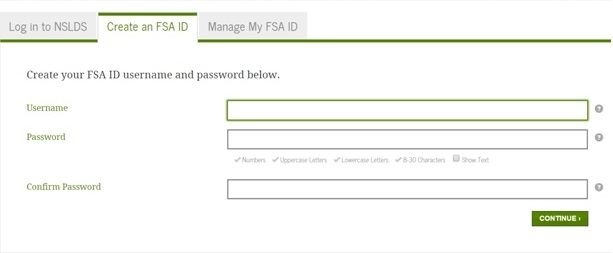
    You can apply for an FSA ID on the Federal Student Aid website. An FSA ID is a username and password that gives you access to Federal Student Aid’s online system. With an FSA ID, you can sign documents electronically and access your student loan report.

    2. Complete the Free Application for Federal Student Aid (FAFSA)

    The Free Application for Federal Student Aid (FAFSA) is the application to apply for federal student aid. The FAFSA has no fee and is released each October. You should complete the FAFSA as soon as possible after January 1. The FAFSA is used by colleges and universities to determine your eligibility for federal financial aid, state financial aid and school financial aid. You must complete a FAFSA the year before you first attend school and every year that you attend school. Importantly, if you’re a dependent college student, both you and your parent must sign the FAFSA.

    To complete the FAFSA, you will need certain personal and financial information, which may include the following:

    • Your parents’ Social Security Numbers
    • Your parents’ date of birth
    • Your parents adjusted gross income for the last two years prior to attendance
    • Your parents’ tax returns for the last two years prior to attendance
    • Your tax returns (if applicable) for the last two years prior to attendance
    • Your parents’ net worth
    • Your net worth (if applicable)
    • Any scholarships or grants you have received
    • Whether your or your family receive Medicaid, Supplemental Social Security, Temporary Assistance for Needy Families (TANF), and related programs.

    3. Review your Student Aid Report (SAR)

    Once you file your FAFSA, you will receive a Student Aid Report (SAR). You should review the Student Aid Report to ensure that it is accurate. You can also include additional colleges that you would like to receive your Student Aid Report. The Expected Family Contribution (EFC) portion of your Student Aid Repot will be shared with financial aid offices at the schools to which you applied or attending. Your Expected Family Contribution is how much your family will be expected to contribute toward the cost of your school. The financial aid office will determine your financial need based on your Expected Family Contribution. The amount of financial need for which you qualify may change by college or university.

    4. Compare financial aid award letters

    Each college or university will send you a financial aid award letter. Types of financial aid may include scholarships, grants, work study and student loans. Not every school can meet all your financial aid needs. That’s why it’s important to compare financial aid award letters. Financial aid is not the only reason to select a school, but it may be an important factor for you. Any financial shortfall between the total cost to attend a school and your financial aid package needs to be supplemented with other financial sources. You can apply for scholarshipsborrow private student loans or find other sources to pay for school. You can also appeal your financial aid award letter by contacting your school.

    5. Sign your promissory note

    Your school likely will include federal student loans in your financial aid package. To borrow federal student loans, you will sign a master promissory note, which is a legally-binding contract regarding the terms and provisions of your student loans and your promise to repay them.

    What Are the Types of Federal Student Loans?

    Your school likely will include federal student loans in your financial aid package. To borrow federal student loans, you will sign a master promissory note, which is a legally-binding contract regarding the terms and provisions of your student loans and your promise to repay them.

    Direct Subsidized Loans

    Direct Subsidized Loans are federal student loans for undergraduates who have a demonstrated financial need. While you are in school, you will not owe any interest on these federal student loans. The federal government pays the interest for you.

    Direct Unsubsidized Loans

    Direct Unsubsidized Loans are available to both undergraduate and graduate students. Unlike Direct Subsidized Loans, interest accrues on these student loans while you’re in school and you are responsible to pay for this interest. You don’t have to pay the interest while you’re in school, but the interest will be capitalized at the end of your six-month grace period after graduation. Capitalized means that your total interest will be added to your student loan balance.

    Grad PLUS Loans

    Grad PLUS Loans are federal student loans for graduate and professional students. Unlike subsidized and subsidized student loans, there are no borrowing limits for Grad PLUS Loans. To borrow Grad PLUS Loans, you cannot have an adverse credit history.

    Parent PLUS Loans

    Parent PLUS Loans are federal student loans that parents can borrow for a dependent child to pay for undergraduate education. There are no borrowing limits for Parent PLUS Loans.

    How Much Student Loan Can I Get?

    Many borrowers ask: How much can I borrow in federal student loans?” With federal student loans, there are maximum amounts that you can borrow. With private student loans, borrowing limits are set by the lender. Typically, you cannot borrow more than the total cost of attendance. Cost of attendance includes tuition, fees, room and board, books and other materials for school. The amount of federal student loans that you can borrow depends on three main factors:

    1. The type of federal student loan
    2. Your year in school
    3. Whether you are considered a dependent or independent student

    In addition to annual borrowing limits, there are also total borrowing limits for the duration of your higher education.

    Subsidized and Unsubsidized student loans

    Direct Subsidized Loans and Direct Unsubsidized Loans each have annual and total borrowing limits. Your total borrowing limit is the amount of federal student loans that you can borrow during your undergraduate and graduate school.

    Subsidized vs. Unsubsidized Loans: Annual Loan Limits​

    [ninja_tables id=”3179″]

    Grad PLUS Loans

    There are no limits to the amount of Grad PLUS Loans that you can borrow. The maximum amount typically is limited by the total cost of attendance. PLUS Loans have higher interest rates than Direct Subsidized Loans and Direct Subsidized Loans. Therefore, you should borrow the maximum amount of subsidized and unsubsidized student loans before you borrow PLUS Loans.

    Parent PLUS Loans

    Like Grad PLUS Loans, Parent PLUS Loans do not have borrowing limits. However, like PLUS Loans, Parent PLUS Loans are typically limited by the cost of attendance. Parent PLUS Loans typically have the highest interest rates. However, you can refinance Parent PLUS Loans to get a lower interest rate.

    Are Private Student Loans a Good Idea?

    Private student loans are student loans that are available from private lenders such as banks, credit unions and online lenders. Private student loans are not issued by the federal government so they different from federal student loans in some ways. For example, private student loans do not offer income-driven repayment plans or student loan forgiveness options. Private student loans also require good credit. Unlike federal student loans, lenders require either a good credit score or, if you have a bad credit score or no credit history, you can applya cosigner with a good credit score.

    Private student loans have several benefits. Typically, private student loans have lower interest rates than federal student loans. This can help save you money and pay off student loans faster. Unlike federal student loans, which only offer fixed interest rate, you can choose a private student loans with either a fixed interest rate or a variable interest rate. Many lenders now allow you to pause your private student loan payments if you lose your job or face financial hardship. Typically, it’s best to maximize funding from other sources such as scholarships, grants and federal student loans before you borrow private student loans. However, many borrowers pay for school with private student loans after any money received for financial aid.

    How to Apply for Private Student Loans

    You can apply for private student loans directly online. You can compare private student loan lenders, interest rates and loan terms to find the best private student loans for you.

    [related_posts post_1=’515′ post_2=’1102′ post_3=’761′]

  • How to Find Your Student Loan Balance

    How to Find Your Student Loan Balance

    If you have student loans, you may be wondering how to find your student loan balance. It’s common for borrowers to have multiple federal student loans and private student loans. However, it can be challenging to keep track of your student loan balances, lenders, student loan servicers, and other important information about your student loans.Fortunately, there’s a helpful solution to calculate your student loan debt, and it’s called the National Student Loan Data System (NSLDS).

    In this post, we will discuss:

    [refinance_student_loans_table]

    What is the National Student Loan Data System?

    The National Student Loan Data System (NSLDS) is a student loan database that contains information about your federal student loans. The NSLDS, which is managed by the U.S. Department of Education, aggregates student loan information from schools, guaranty agencies and the Direct Loan programto give you a full view of your student loans and grants. The NSLDS website is located at is available 24 hours a day, seven days a week.

    The NSLDS shows your loan balance, type of loan and repayment status. For example, the NSLDS shows whether you are in grace period, repayment, forbearance, deferment or paid off. You can also understand which loans are subsidized or unsubsidized. Unfortunately, the NSLDS will not show you information regarding your private student loans or Parent PLUS Loans.

    National Student Loan Data System (NSLDS) Contact Information

    There are several ways to contact the National Student Loan Data System customer service:

    Phone Number: 1-800-999-8219 

    NSLDS Customer Support is available Monday through Friday from 8 am to 9 pm ETEmail: You can email NSLDS at nslds@ed.gov.

    Mailing Address:

    National Student Loan Data System, FSA

    U.S. Department of Education

    830 First Street NE, 4th Floor

    Washington, D.C.

    20202-5454

    If you discover an error in the NSLDS, you should first contact your student loan servicer to correct the incorrect information.

    How much do I owe in student loans?

    If you have student loans, you may be wondering: “How much do I owe in student loans?” How much you owe in student loans can change over time. When you first borrowed student loans, you borrowed a specific amount of student loan debt. That student loan debt had an interest rate that caused your student loan balance to increase. As a result, your student loan balance today may be higher than what you originally borrowed.

    It’s also possible that your student loans may have been transferred or sold to a new student loan servicer, which is a common practice in the student loan industry. Therefore, it’s important to identify your current student loan servicer so you know where and how to make student loan payments.

    If you owe student loan debt, it’s essential that you know how much you owe in student loans. The National Student Loan Data System can provide you with an accurate student loan balance so you know how much you owe in student loans. You should log in to your NSLDS account regularly to check your student loan balance. As you repay student loan debt, you can track your student loan balance get paid off.

    How to find the balance on your federal student loans

    To find the balance on your federal student loans, access the NSLDS student loan database. This is the most comprehensive central database for all federal student loans.

    Here are the stepsto find the balance on your federal student loans:

    1. Go to the NSLDS website.
    2. Click “Financial Aid Review.”
    3. Create a new account with a Federal Student Aid (FSA) ID.
    4. Provide the requested information, including an email address and your Social Security Number.

    Once you create your NSLDS account, you can login to the student loan database as often you would like to check your federal student loan balance. Once you’re logged in, review the list of all federal student loans associated with your name. You can check your current loan balance, original amount borrowed, interest rates, payment status and student loan servicers. It’s important to remember that information on the NSLDS website may be old as 120 days. Therefore, it’s possible that your loan information may be out of date.

    One alternative to the NSLDS website is to contact your school’s financial aid office. A financial aid officer can provide you with how much student loan debt you borrowed, the original amount of your student loans and the name of your student loan servicer. Then, you can contact your student loan servicer to learn your student loan balance.

    How to find the balance on your private student loans

    Remember, the NSLDS database is only for federal student loans, so it will not include the balance on your private student loans.

    How do you find the balance on your private student loans? Follow these easy steps:

    1. Grab a free copy of your credit report from the three major credit bureaus—Equifax, Experian and TransUnion—through AnnualCreditReport.com.
    2. Your credit report will show your current private student loan balance and the name of your student loan servicer.
    3. Contact your student loan servicer so you can start making payments on your student loans.

    Your next steps to manage student loans

    Many borrowers ask: “How much do I have in student loans?” Now that you know how to find your student loan balance and the name of your student loan servicer, it’s important to focus on student loan debt repayment. There are many strategies to lower your interest rate, lower your student loan payment, and pay off student loan debt faster. You also may choose to refinance your student loans so get a lower interest rate and get out of debt more quickly. This student loan refinancing calculator shows you how much money you can save when you refinance student loans.

    [related_posts post_1=’318′ post_2=’333′ post_3=’315′]

  • American Education Services (AES) Customer Service: Overview And How To Contact

    American Education Services (AES) Customer Service: Overview And How To Contact

    If you have student loans, there’s a chance that American Education Services (AES) is your student loan servicer. AES is a leading student loan servicer for millions of student loan service borrowers. The company was established by the Pennsylvania Higher Education Assistance Agency (PHEAA) to service and manage both private student loans and federal loans through the Federal Family Education Loans Program (FFELP).

    AES is one of the four main student loan servicers of federal student loans. The other three are Navient, Nelnet and Great Lakes (which is now owned by Nelnet but operates independently).

    Here’s what you should know about AES to maximize your customer service experience, if American Education Services is your student loan servicer. In this guide, we will discuss:

    [refinance_student_loans_table]

    Is American Education Services my student loan servicer?

    A student loan servicer such as AES collects and manages your student loan payments. For federal student loans, the U.S. Department of Education assigns you a student loan servicer. That means that you cannot choose your student loan servicer, unless you choose to refinance your student loans. If you think AES may be your student loan servicer, or if you’re not sure who’s your student loan servicer, then you can verify your student loans with these simple options.

    • Log into the National Student Loan Data System (NSLDS)
      The NSLDS database includes all information about your student loans, including balances, history and student loan servicers. You can login with your Federal Student Aid (FSA) ID.
    • Check your credit report
      Your credit report will also tell you whether AES is your student loan servicer. You can order a free credit report for all major credit bureaus from AnnualCreditReport.com.
    • Contact American Education Services
      You can contact AES directly to verify if AES if your student loan servicer. The phone number for American Education Service is 1-800-233-0557.

    American Education Services student loan repayment options

    AES offers several student loan repayment options:

    Standard Repayment Plan: A standard repayment plan lasts up to 10 years and the monthly installment payment remains the same throughout the repayment period.

    Graduated Repayment Plan: A graduated repayment plan varies throughout the repayment period. A graduated repayment plan starts with smaller monthly payments and increases over time.For a limited time, the monthly payment is typically interest only and smaller than the standard repayment plan.

    Income-Sensitive Repayment Plan: An income-sensitive repayment plan is based on monthly gross income and your amount of student loan debt. The monthly loan payment is based on a fixed percentage of gross monthly income, between 4% and 25%.

    Income-Based Repayment (IBR): Income-Based Repayment (IBR) is an example in an income-driven repayment plan, which lowers your monthly payment based on your discretionary income. With an income-driven payment, your monthly payment may be as low as $0.

    25-Year Extended Repayment Plan: The 25-Year Extended Repayment Planlowers your monthly payment and extends the repayment plan from 10 years to 25 years.

    To qualify, you must have a current loan balance of at least $30,000 and your student loans were disbursed after October 7, 1998.

    Student loan borrowers with federal student loans also have access to income-driven repayment plansstudent loan forgivenessforbearance and deferment.

    AES also helps you manage your private student loans, which AES calls “alternative loans.” While federal student loans have more repayment options, AES asks borrowers to contact them to discuss any difficulty with student loan repayment. You can also refinance your private student loans to get a lower interest rate. When you refinance student loans, you can save thousands of dollars and pay off your student loans faster. You’ll need a good to strong credit score, recurring income and low debt-to-income ratio. You can compare the latest student loan refinancing rates and find the best lender for you.

    How to make student loan payments to American Education Services

    AES offers several ways to pay off student loans. You can sign up for auto pay and have your monthly student loan payments directly debited from your bank account. When you sign up for auto pay, you may receive a reduction in your student loan interest rate. You can also pay online on the AES AES website. You can use your AES Services student loans login. When you register on the AES website, you will create an ID and password. To make a payment, you can sign in, click “Make a Payment,” enter your payment information and click “Make a Payment.”

    Other options to pay student loans include through the American Education Services mobile app and by phone, mail and bill pay.

    Through the AES website, you can also schedule up to eight payments in advance every 60 days.

    How to contact American Education Services customer service

    There are various ways to contact AES customer service:

    American Education Services Phone Number: 1-800-233-0557

    American Education Services Hours of Operation: Monday – Friday from 7:30 a.m. to 9 p.m. Eastern

    AES Websites:

    AES — www.aesSuccess.org

    PHEAA — www.pheaa.org

    FedLoan Servicing — MyFedLoan.org

    You Can Deal With It — www.YouCanDealWithIt.com

    EducationPlanner — www.EducationPlanner.org

    AES Email: Log in to your account to send a secure email.

    American Education Services Social Media: AES Facebook and AES Twitter

    American Education Services Fax Number: 1-717-720-3916

    American Education Services Website: aessuccess.com

    American Education Services Customer Login:login.aessuccess.org/authentication/

    American Education Services Mailing Address For Loan Payments:

    American Education Services (AES)

    PO Box 65093

    Baltimore, MD 21264-5093

    American Education Services Mailing Address To Pay Off Loans In Full:

    AES – Paid in Full

    P.O. Box 2251

    Harrisburg, PA 17105-2251

    American Education Services Mailing Address For General Correspondence:

    AES

    P.O. Box 2461

    Harrisburg, PA 17105-2461

    How to file a complaint against American Education Services

    If you want to complain about AES customer service or file a complaint as your student loan servicer, you have several options. First, you can file a complaint with AES’s Office of Consumer Advocacy. You can contact the Office of the Consumer Advocate by calling 1-800-213-9827 Monday through Friday from 8 a.m.- 5 p.m. Eastern or through this mailing address:

    Pennsylvania Higher Education Assistance Agency
    The Office of Consumer Advocacy
    1200 North 7th Street
    Harrisburg, PA 17102

    You can also file a complaint against AES with:

    You should maintain written communication between you and American Education Services. This may include your monthly statements, records of communication with anAmerican Education Servicescustomer service representative, emails and other correspondence.

    You may also contact the U.S. Department of Education Ombudsman:

    Phone: 1- 877-557-2575

    Mailing Address:U.S. Department of EducationFederal Student Aid Ombudsman GroupP.O. Box 1843Monticello, KY 42633The Federal Student Aid (FSA) Ombudsman Information Checklist is helpful to complete before contacting the Federal Student Aid Ombudsman.

    [related_posts post_1=’318′ post_2=’333′ post_3=’357′]